

Gambling’s hidden effects on mental well-being what you need to know
The Psychology of Gambling
Gambling can evoke a range of emotions, from excitement and joy to anxiety and despair. The thrill of placing a bet or the anticipation of a win can create an adrenaline rush, significantly impacting a person’s mental state. However, this rush can also lead to an unhealthy cycle where individuals seek that high repeatedly, often overlooking the potential consequences of their actions. For those looking to try their luck and strategy, the pin up casino offers a variety of options.
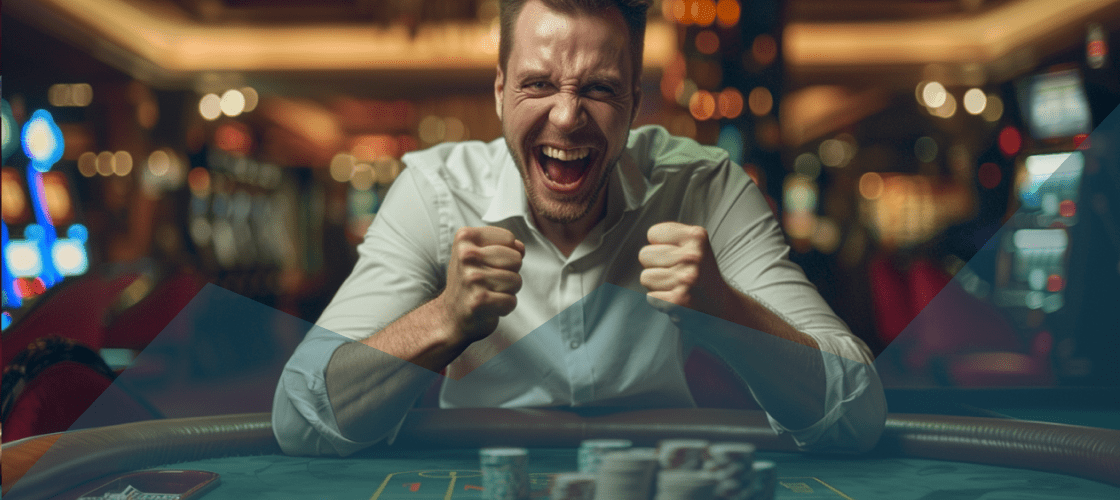
As players become more immersed in gambling, they may experience an altered state of mind. This psychological transformation can result in a temporary escape from reality, providing a sense of control and empowerment. Unfortunately, this feeling can blur the lines between skill and luck, leading individuals to develop false beliefs about their abilities and the predictability of outcomes.
The Impact of Skill vs. Luck
The debate between skill and luck in gambling is a significant aspect of its psychological effects. While skill-based games require a level of strategy and knowledge, they still involve unpredictable elements that can skew a player’s perception of their competence. Players may believe that their skills can overcome chance, fostering a delusional confidence that can lead to greater financial and emotional investment.
This misconception often leads to a cycle of chasing losses, where individuals believe that future wins will compensate for past losses. This behavior can exacerbate feelings of anxiety and depression, as the pressure to regain control can spiral into compulsive gambling habits.
The Relationship Between Gambling and Mental Health
Research indicates a strong correlation between gambling and various mental health issues, including anxiety, depression, and substance abuse. The act of gambling can serve as a coping mechanism for some, providing an escape from everyday stressors. However, this coping strategy is often short-lived and can lead to deeper emotional issues over time.
Individuals with pre-existing mental health conditions may find that gambling exacerbates their symptoms, creating a vicious cycle. The social stigma surrounding gambling addiction can further isolate these individuals, making it difficult for them to seek help and support from others.
The Signs of Problem Gambling
Recognizing the signs of problem gambling is crucial for early intervention. Individuals may exhibit behaviors such as lying about gambling habits, neglecting responsibilities, or experiencing withdrawal symptoms when not gambling. These signs can often be overlooked or misinterpreted, leading to worsening mental health conditions.
Understanding the impact of gambling on mental well-being is vital. By promoting awareness and education about the psychological effects of gambling, individuals can be better equipped to make informed decisions and seek help when necessary.
Discover an Exciting Gaming Experience with Pin Up Casino
Pin Up Casino offers a unique platform that combines entertainment with safety. By providing skill-based games that challenge players, it encourages strategic thinking while still maintaining the excitement of chance. The platform is designed to ensure a secure gaming environment, emphasizing responsible gambling practices.
In addition to its engaging gameplay, Pin Up Casino prioritizes user experience. With advanced security measures in place, players can enjoy their favorite games with peace of mind. Whether you are a seasoned player or new to the scene, Pin Up Casino presents an exhilarating opportunity to explore the world of gaming responsibly.
